
Cracked Heels / Heel Fissures
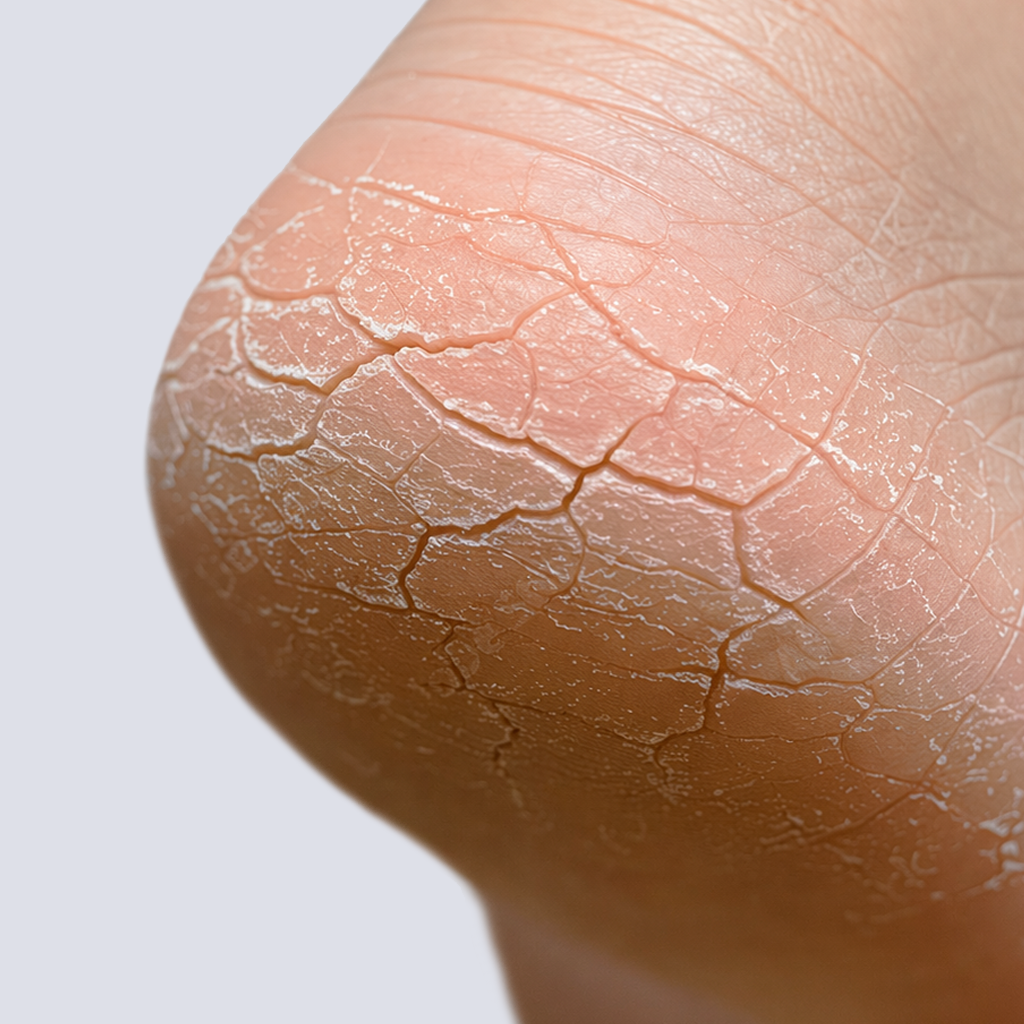
Cracked heels, also known as heel fissures, are a common skin condition caused by dryness and loss of skin elasticity. In addition to being a cosmetic concern, they may develop into painful cracks and increase the risk of infection.
Causes and Risk Factors
– Lack of hydration: The skin on the heels is thicker and requires regular care to remain soft and elastic.
– Prolonged standing: Increased pressure on the heels contributes to the formation of cracks.
– Inappropriate footwear: Open shoes, such as sandals, and hard soles may worsen the condition.
– Skin conditions: Psoriasis, eczema, or atopic dermatitis may increase the likelihood of heel fissures.
– Hormonal or medical causes: Diabetes and thyroid disorders are associated with dry skin and cracked heels.
– Genetic predisposition.Symptoms
– Dry and rough skin around the heels.
– Superficial or deep cracks, which in more advanced cases may cause pain or bleeding.
– Itching or irritation, especially when the fissures are deep.Treatment and Management
– Daily moisturising: Creams containing urea, glycerin, or salicylic acid help restore skin moisture.
– Exfoliation: Gentle use of a pumice stone or foot file helps remove dead skin cells.
– Appropriate footwear: Choose closed shoes with good support.
– Avoid walking barefoot, especially on rough surfaces that may worsen dryness.
– Podiatric care: In more severe cases, professional removal of hardened skin may be necessary.When to Visit a Podiatrist
If cracked heels are deep, painful, or show signs of infection, such as redness, swelling, or fluid discharge, professional care is necessary in order to prevent complications.