
Paronychia
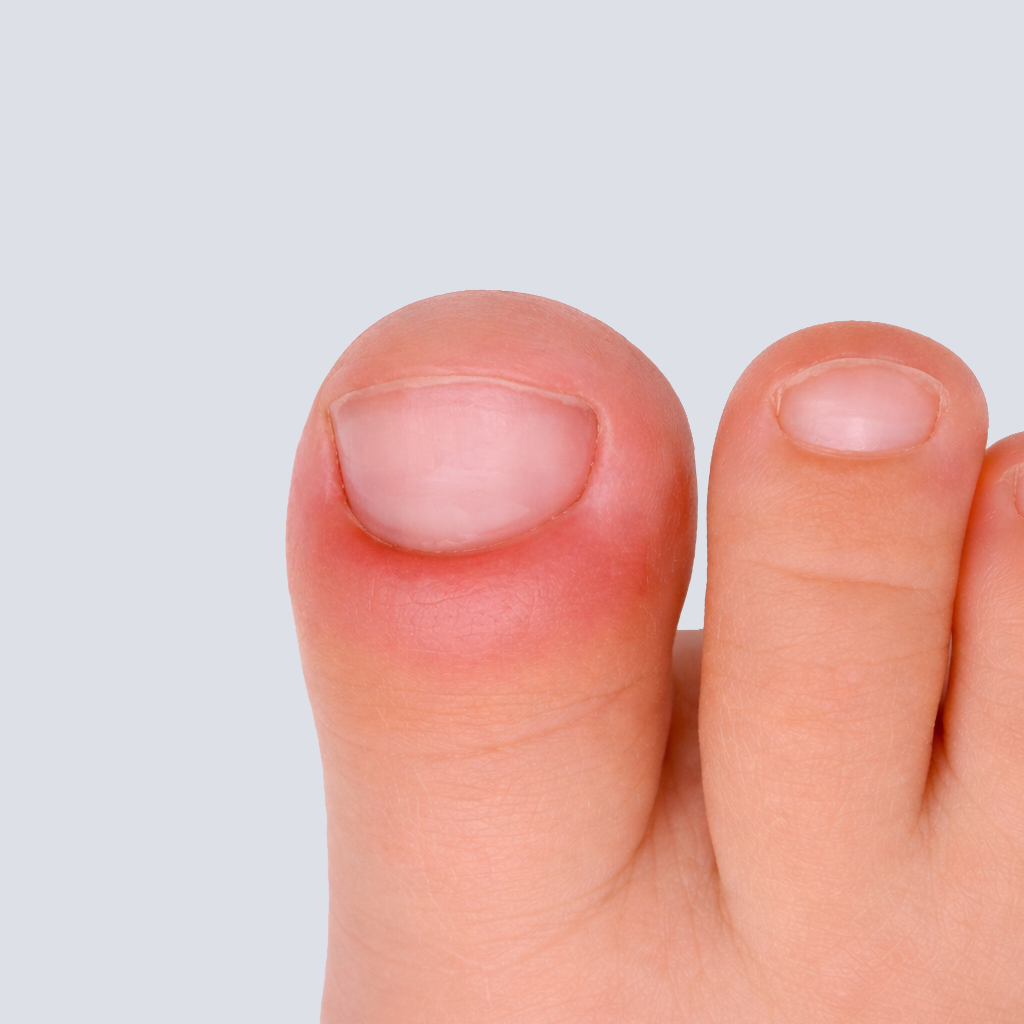
Paronychia is an inflammation of the skin surrounding the nail. It may occur suddenly (acute paronychia) or be long-lasting and recurrent (chronic paronychia). It is usually caused by bacteria, fungi, or irritation of the skin, and if not treated promptly, it may lead to infection and abscess formation.
Causes and Risk Factors
– Injury or repeated minor trauma to the skin around the nail.
– Improper nail care, such as excessive cutting of the cuticles or picking around the nail with sharp objects.
– Frequent exposure to moisture (for example, waiters, nurses, and cleaners).
– Skin conditions, such as eczema or psoriasis, which make the skin more vulnerable.
– Chronic fungal infections, which may weaken the skin around the nail.
– The habit of picking or pulling at the nails or hangnails, which increases the risk of bacterial entry.Symptoms
Acute Paronychia
– Sudden redness, swelling, and pain around the nail.
– Presence of pus at the site of inflammation.
– Warmth and tenderness in the affected area.Chronic Paronychia
– Recurrent irritation and mild swelling over a long period of time.
– Persistent moisture and discoloration of the skin around the nail.
– Separation, thickening, or deformity of the nail, especially if there is an associated fungal infection or if nail growth has been affected by the inflammation.Treatment and Management
1. Home Care (for mild cases)
– Foot soak with lukewarm water, salt, and Betadine 2–3 times a day to help reduce inflammation.
– Antibiotic ointment.
– Covering the area with sterile gauze if there is an open wound or fluid discharge.
– Avoiding moisture: keep the area clean and dry.2. Medical Treatment (for more severe cases)
– Oral antibiotics if there is significant infection and pus.
– Antifungal treatment if chronic fungal paronychia is present.
– Steroid creams if the inflammation is related to skin conditions.3. Professional Treatment (for severe or recurrent cases)
– Drainage of pus.
– Partial nail removal if the paronychia persists and causes a chronic problem.Prevention
– Proper nail care: trim nails straight across and avoid cutting too close to the skin.
– Avoid pulling at hangnails.
– Good foot hygiene: change socks frequently, wash the feet daily, and dry them very thoroughly after showering.
– Use appropriate footwear, paying attention to both size and quality.When to Visit a Podiatrist
– If the paronychia does not improve after a few days or becomes chronic.
– If there is severe pain, swelling, or pus.
– If the infection is spreading or if you have underlying health conditions, such as diabetes.
– If you want to investigate the underlying causes in order to reduce the likelihood of recurrence.
– If you notice changes in the colour or thickness of the nail.