
Leg Length Discrepancy
Leg length discrepancy is a difference in the length of the lower limbs, which may affect posture, gait, and the individual’s overall mobility. Depending on its severity, it may cause pain, imbalance, and complications involving the spine and joints.
Types of Leg Length Discrepancy
1. Functional leg length discrepancy
– Bone length is normal, but poor body alignment (e.g. scoliosis, muscle imbalance) causes an apparent difference in limb length.
2. Structural leg length discrepancy
– There is an actual difference in the length of the leg bones due to developmental or traumatic factors.
Causes and Risk Factors
1. Congenital and developmental disorders
– Genetic predisposition (abnormal bone development).
– Congenital leg length discrepancy from childhood.
2. Injuries and surgical procedures
– Fractures or injuries that affect bone growth.
– Inadequate recovery after orthopaedic procedures (e.g. hip replacement).
3. Musculoskeletal and neurological conditions
– Scoliosis, which affects body balance.
– Neurological conditions (e.g. cerebral palsy, poliomyelitis).
4. Degenerative conditions
– Arthritis and degenerative changes that cause imbalance.
– Muscular imbalances in the pelvis that lead to functional leg length discrepancy.
Symptoms
– Imbalance during walking (limping or the sensation that one leg is shorter).
– Pain in the lower back, hips, knees, or shins due to poor weight distribution.
– Scoliosis or abnormal posture due to adaptation to the difference in leg length.
– Increased fatigue and discomfort after prolonged standing or physical activity.
– Development of pain or calluses on the longer leg, which is subjected to greater strain.
Diagnosis
– Clinical examination by a podiatrist, physiotherapist, or orthopaedic specialist.
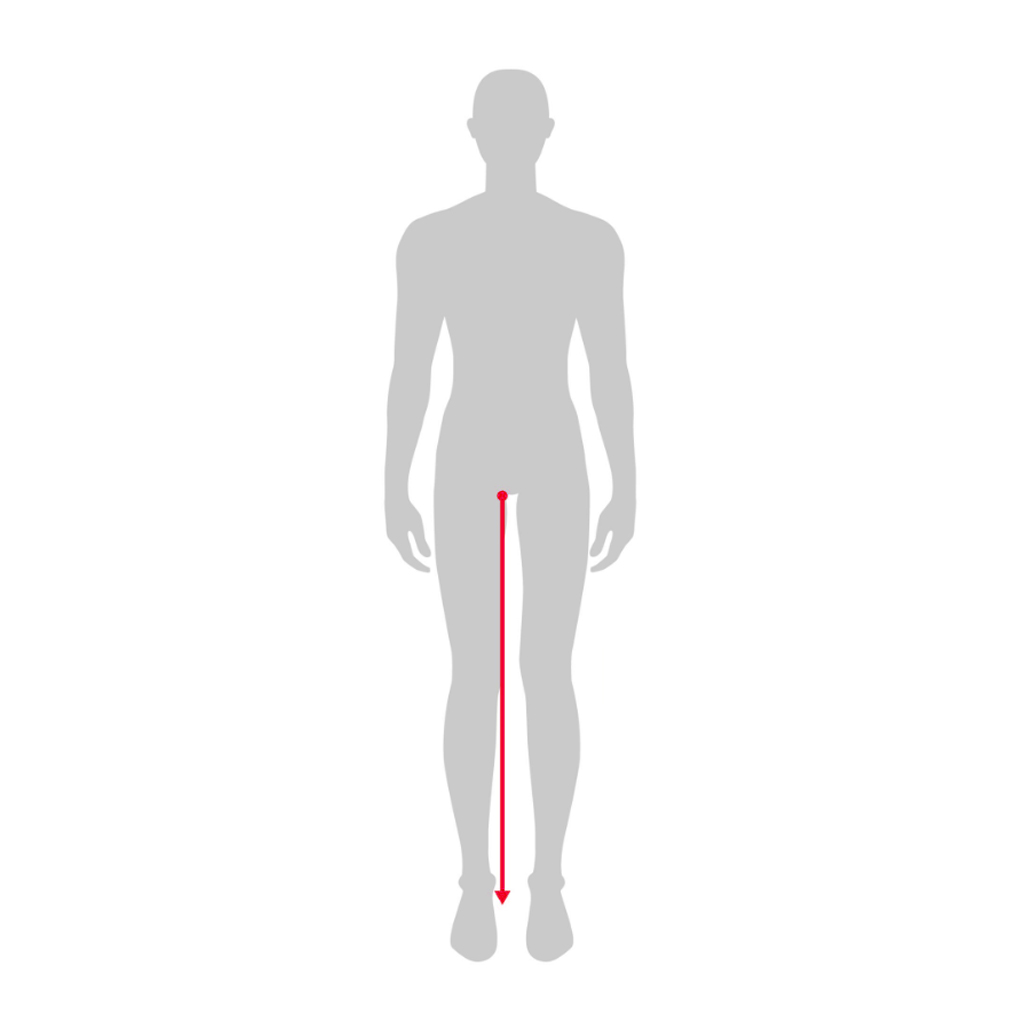
– Measurement of limb length through physical examination.
– Gait analysis through plantar pressure assessment to evaluate the functional impact of leg length discrepancy.
– X-ray or CT scan, if precise measurement is required.
Management and Treatment
1. Conservative Methods (For Small Differences of 0.5–2 cm)
– Orthotic insoles or shoe lifts to equalise leg length.
– Physiotherapy to improve muscular balance and reduce strain on the joints.
– Stretching and strengthening exercises to support the pelvis and lower back.
– Activity modification to reduce strain on the hips and knees.
2. Specialised Treatments (For Larger Differences of 2–5 cm)
– External orthoses or customised footwear.
– Specialised physiotherapy protocols to improve posture and mobility.
3. Surgical Treatment (For Large Differences >5 cm)
If the difference in leg length is greater than 5 centimetres and causes significant effects on gait and the spine, surgical limb lengthening or bone shortening may be required.
Prevention
– Regular check-ups in children and adolescents, if there is a family predisposition.
– Proper posture and core strengthening to prevent functional leg length discrepancy.
– Monitoring of gait and balance if there is a history of injury or arthritis.
– Use of appropriate footwear for proper weight distribution.
When to Visit the Podiatrist
– If you notice imbalance while walking or changes in posture.
– If you experience pain in the lower back, hips, or knees without an obvious cause.
– If there is a history of injury that has affected leg length.
– If the difference in leg length affects your daily life or athletic activity.
Leg length discrepancy can significantly affect posture and gait, but in most cases it can be managed conservatively with orthopaedic aids and physiotherapy. In more severe cases, specialised treatments and surgical solutions are available and may help restore balance to the lower limbs.